Growth of Metal Recycling in India | Lohaa Insights
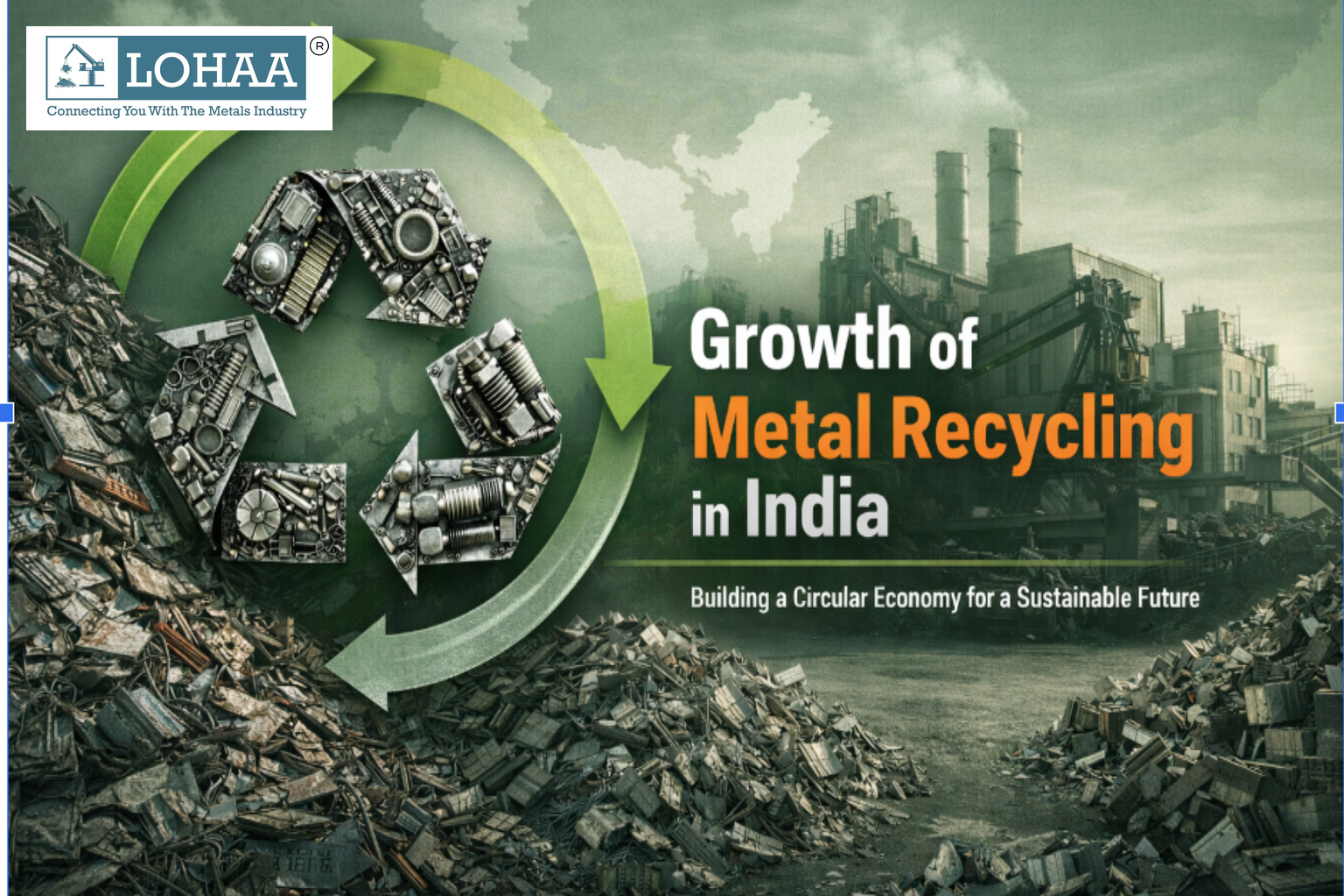
India’s industrial progress has been deeply connected with the use and management of metals. Over the past few decades, the growth of metal recycling in India has emerged as an important factor in supporting sustainable development, conserving natural resources, and strengthening the economy.
While developed nations have already established efficient recycling ecosystems, India is steadily building its own systems to increase scrap utilization and reduce reliance on primary metal production. With rising environmental awareness and demand for metals across industries such as construction, automotive, and manufacturing, recycling has become an essential part of the modern metal supply chain.
Platforms such as Lohaa are also playing a vital role in connecting buyers, sellers, and industry stakeholders, improving transparency in the market.
The Current Landscape of Metal Recycling in India
The growth of metal recycling in India reflects both opportunity and challenge. India generates a significant amount of metal scrap every year from industrial operations, construction waste, automotive dismantling, and consumer goods.
However, a large portion of the recycling sector remains unorganized. Small-scale scrap collectors and informal recyclers still dominate many parts of the supply chain.
Key aspects of the current landscape include:
- Limited organized scrap collection networks
- Inconsistent segregation and processing of scrap
- Dependence on imports of processed scrap materials
- Growing interest from private players and investors
Despite these challenges, the growth of metal recycling in india continues to accelerate as government policies and industry initiatives aim to improve infrastructure and regulation.
Commercial Transactions in the Metal Recycling Market
Commercial transactions form the backbone of the recycling industry. Businesses involved in scrap trading rely on transparent pricing, quality assessment, and reliable supply chains.
Today’s digital transformation has improved the efficiency of these transactions. Marketplaces and platforms now allow buyers and sellers to:
- Track scrap availability across regions
- Compare supplier pricing
- Conduct secure commercial transactions
- Access verified vendors and buyers
Industry platforms like Lohaa help streamline these activities by creating organized channels for metal trading and recycling operations.
These improvements are contributing significantly to the growth of metal recycling in India by reducing inefficiencies in the market.
Importance of Daily Metal Prices in Recycling
Daily metal prices play a crucial role in the recycling industry. Scrap dealers, manufacturers, and exporters closely monitor price fluctuations to make informed decisions about purchasing and selling materials.
Key metals that influence recycling markets include:
- Steel & Iron
- Aluminum
- Copper & Brass
- Zinc
- Lead & Battery scrap
- Super Alloys
Access to accurate price updates helps recyclers maintain profitability and manage inventory effectively.
Many industry participants rely on digital tools to monitor trends through resources such as
which provide updated pricing insights.
As the growth of metal recycling in India continues, real-time pricing data will become increasingly important for efficient market operations.
Latest Metal Industry News And Policy Developments
Government policies and global market trends significantly influence recycling activities.
Recent developments shaping the sector include:
- Policies encouraging scrap-based steel production
- Discussions around End-of-Life Vehicle (ELV) regulations
- Import duty adjustments on scrap metals
- Infrastructure development for organized recycling clusters
These changes are creating opportunities for both domestic businesses and foreign investors.
Industry stakeholders often stay informed through reliable sources like
which covers important developments in the sector.
By keeping track of policy updates and market insights, businesses can adapt to changes and contribute to the growth of metal recycling in India.
Key Steps To Strengthen India’s Recycling Ecosystem
To fully unlock the potential of the recycling sector, India must focus on several strategic initiatives.
Important measures include:
- Establishing organized metal recycling zones
- Encouraging investment in advanced recycling technology
- Supporting domestic scrap collection infrastructure
- Implementing stronger environmental and industrial regulations
- Promoting foreign direct investment in recycling facilities
If implemented effectively, these measures will significantly accelerate the growth of metal recycling in India and position the country as a major global recycling hub.
Conclusion
The recycling industry is becoming an essential pillar of India’s sustainable economic future. By improving scrap management systems, strengthening infrastructure, and encouraging industry collaboration, the country can significantly expand its recycling capacity.
The growth of metal recycling in India will not only reduce environmental impact but also create employment opportunities, attract investments, and improve industrial efficiency.
Businesses, traders, and manufacturers looking to participate in this evolving ecosystem can benefit from reliable industry platforms like that connect stakeholders across the metal supply chain.
Connect with Lohaa to explore partnerships and business opportunities within the growing metal recycling sector.
Frequently Asked Questions
Why is Recycling Important For India’s Metal Industry?
The growth of metal recycling in India helps reduce dependence on mining, conserve natural resources, and support environmentally sustainable industrial growth.
How Does Recycling Impact Industrial Production?
The growth of metal recycling in India provides industries with affordable raw materials, enabling efficient manufacturing while reducing environmental impact.
What Challenges Does The Recycling Sector Face?
Despite the growth of metal recycling in India, challenges such as unorganized scrap collection, limited infrastructure, and regulatory gaps still exist.
How Do Digital Platforms Help The Recycling Industry?
Online marketplaces support the growth of metal recycling in India by improving transparency, enabling better pricing, and connecting buyers with reliable suppliers.
What Is The Future Outlook For Metal Recycling in India?
Experts believe the growth of metal recycling in India will accelerate as sustainability initiatives and industrial demand continue to rise.