
Indian Aluminum Ingots 2026: Market & SWOT Analysis
Introduction
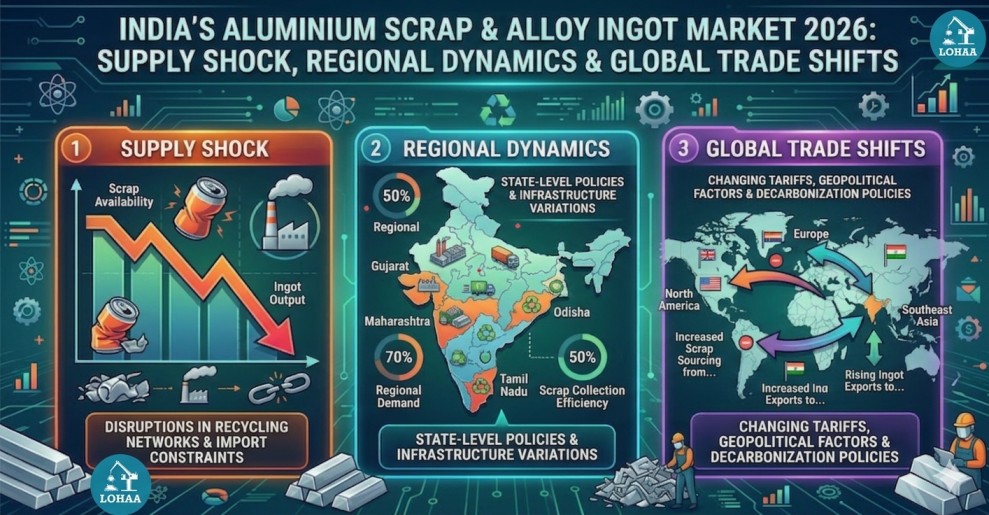
India’s aluminium industry is undergoing a structural transformation, driven by rising demand from automotive, infrastructure, and renewable energy sectors. At the heart of this shift lies the secondary aluminium ecosystem, where aluminium scrap is recycled into value-added products like alloy ingots. These alloy ingots—particularly grades such as ADC12 and LM series—form the backbone of India’s die-casting and engineering industries.
Across the country, aluminium alloy ingot manufacturing is highly regionalized, with strong clusters in states like Gujarat, Haryana (NCR), Maharashtra, and Tamil Nadu. These regions host a mix of large organized players and hundreds of small and medium enterprises (SMEs), many operating in the 400–500 tons per month range. Together, they create a dynamic yet fragmented supply chain that depends heavily on imported aluminium scrap.
In recent times, global disruptions—including the ongoing tensions in the Gulf region—have added a new layer of complexity to this market. Supply chain bottlenecks, rising freight costs, and volatile scrap availability are reshaping pricing trends and trade flows. At the same time, these challenges are opening up new export opportunities for Indian alloy producers, especially in high-demand automotive grades.
This blog provides a comprehensive, state-wise analysis of aluminium alloy ingot manufacturers in India, covering their capacities, key alloy grades, regional strengths, and market dynamics. It also explores how global factors are influencing domestic production and why India’s recycling-driven aluminium sector is poised to play a critical role in the future of sustainable manufacturing.
Primary Aluminium Producers (Indirect Alloy Supply via Remelting)
| Company | Type | Capacity |
| Vedanta Aluminum | Primary | ~2.40 - 3.0 Million Tons |
| Hindalco Industries Ltd | Primary | ~1.30 + Million Tons |
| National Aluminum Company Ltd | Primary | ~460,000 + tons |
| Bharat Aluminum Company Ltd | Primary | ~570,000 tons |
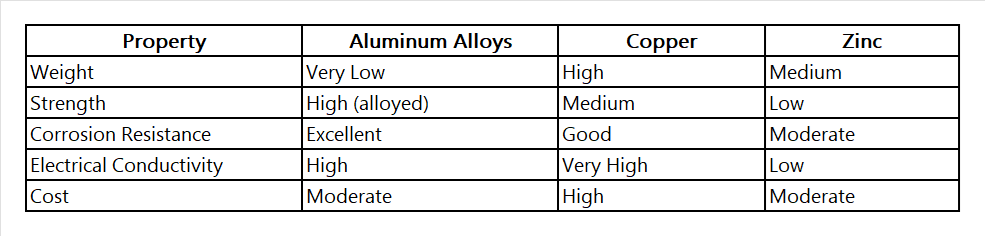
Importance of Aluminum Alloys vs Other Non-Ferrous Metals
 Key Advantage:
Aluminum offers the best balance of lightweight, strength, and corrosion resistance, making it ideal for modern industries.
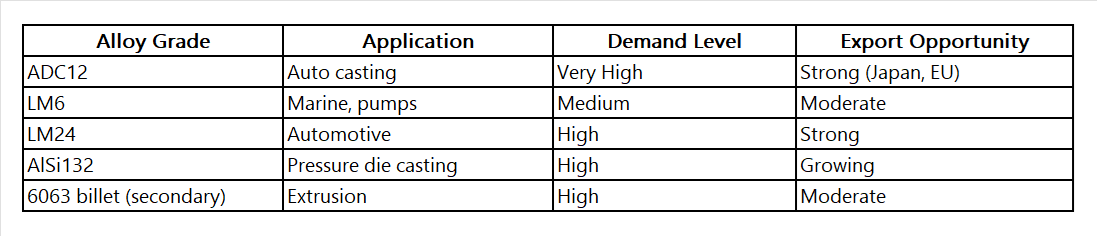
ALUMINIUM ALLOY GRADES – PRODUCTION & EXPORT OPPORTUNITY
 Major Scrap Exporting Countries to India (2025)
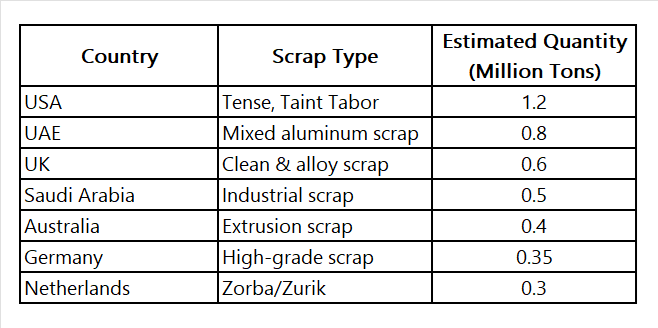
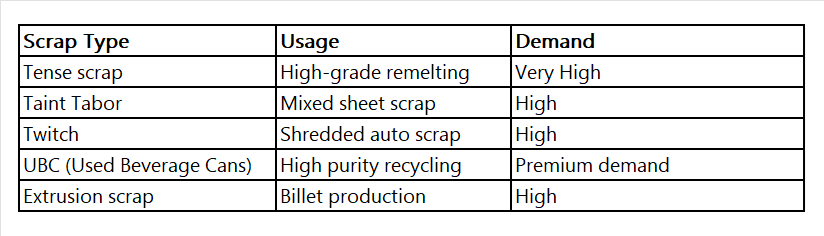
TYPES OF ALUMINIUM SCRAP IMPORTED INTO INDIA
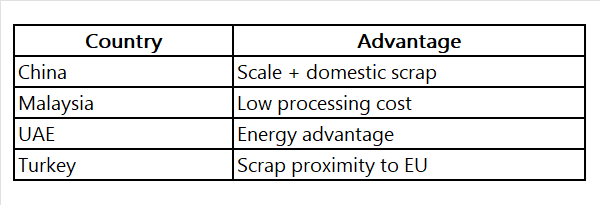
WHICH COUNTRIES ARE CHEAPER THAN INDIA?
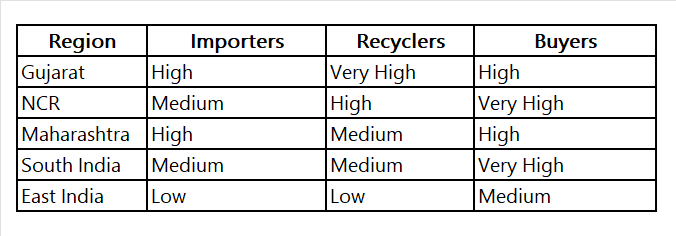
REGION-WISE DATABASE SUMMARY
Present Status of Aluminum Secondary Ingots (2026)
• India produces ~55–60% of its aluminum ingots via secondary (recycled) routes
• Domestic scrap availability remains limited (~30–35%), heavily dependent on imports
• Import dependency: 65–70% of aluminum scrap
• Key consuming sectors:
o Automotive (45%)
o Electrical (20%)
o Construction (15%)
o Packaging & others (20%)
Key Challenges:
• Scrap price volatility
• Import regulations & logistics
• Quality inconsistency in scrap
INDUSTRY SUMMARY
India Secondary Aluminium Alloy Sector
• Total industry size: ~3.5–4.5 million TPA (estimated)
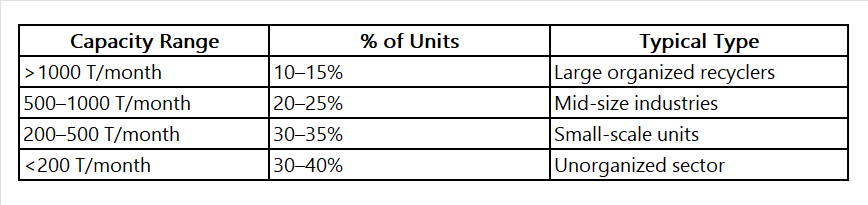
• Organized players share: ~35–40%
• Unorganized SME sector: Highly fragmented (~60%)
Key Observations
• CMR Green Technologies Ltd. dominates alloy ingots (ADC12, LM series)
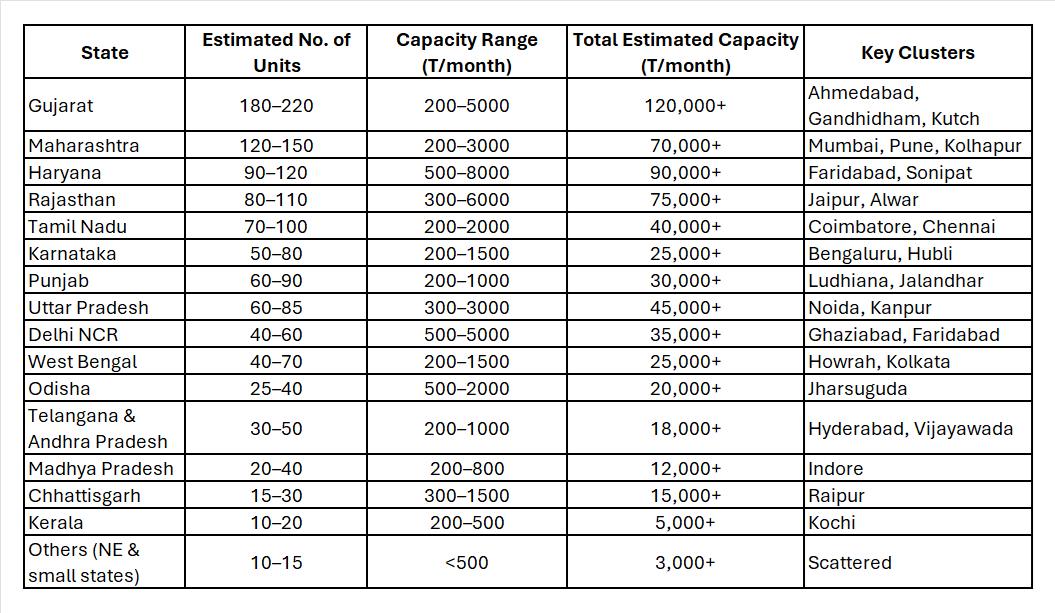
• Gujarat = largest cluster (Ahmedabad, Bhavnagar, Sanand)
• NCR = largest scrap processing hub
• South India = auto-driven alloy demand
Capacity Segmentation (Pan-India)
KEY INSIGHT FOR LOHAA
• India’s alloy ingot sector is scrap-driven (import dependent)
• Capacity exists, but raw material supply is the bottleneck
• Large players expanding aggressively due to:
o EV demand
o Auto casting growth
o Export opportunities (Japan, EU)
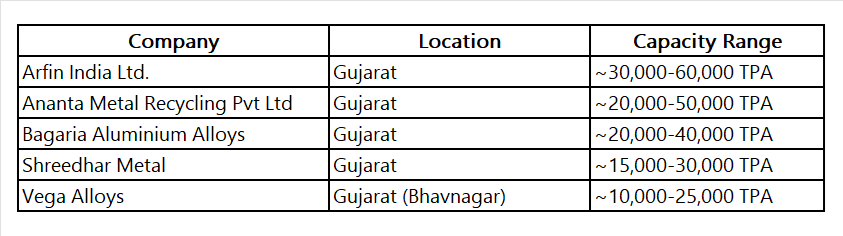
Top Aluminium Alloy Ingot Manufacturers in India (with Capacity)
Large Organized Secondary Aluminium Players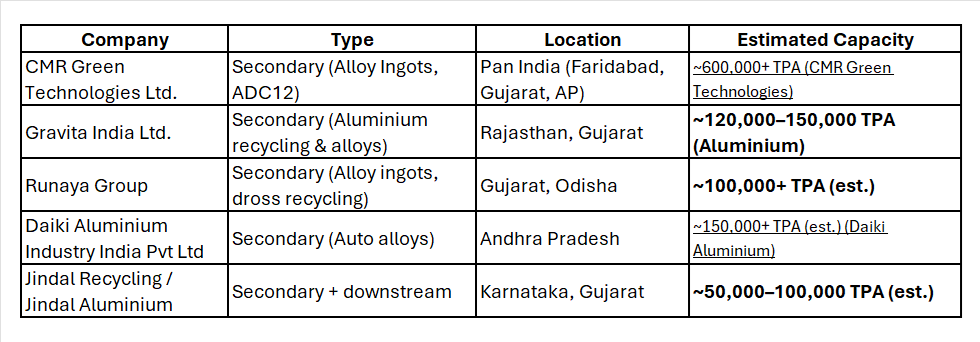
Mid-Sized Secondary Alloy Ingot Manufacturers (Cluster Leaders)
Regional / SME Alloy Ingot Producers (High Fragmentation Sector)
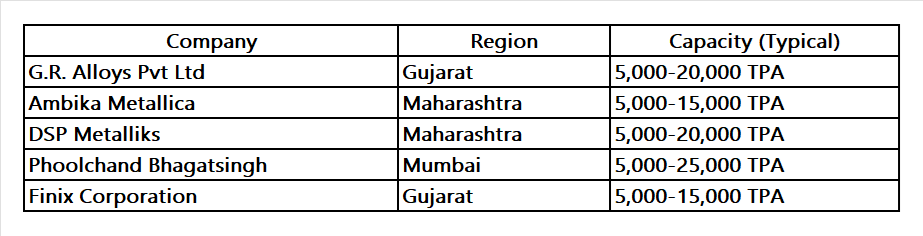
Here is a focused, ground-level dataset of Indian secondary aluminium alloy ingot manufacturers operating in the 400–500 tons/month scrap consumption range (≈5,000–6,000 TPA plants). These are typically SME / cluster-based recyclers, which form the backbone of India’s alloy ingot ecosystem.
State-wise Aluminum Ingot Manufacturing Units & Capacity (2026)
WHAT THESE 400–500 T UNITS PRODUCE
High-volume alloys:
• ADC12 (auto casting)
• LM6 (pump, marine)
• LM24 (pressure die casting)
Raw material mix:
• Tense scrap
• Taint Tabor
• Twitch (auto shred)
• Local scrap
Secondary ingots are cost-effective and energy-efficient vs primary aluminium
ADC12 BUYER–SELLER NETWORK (INDIA – PRACTICAL FLOW)
Supply Chain Structure
Scrap Supplier → Alloy Ingot Manufacturer → Trader / Stockist → Die Casting Units → OEMs / Exporters
Most 400–500 T/month plants DO NOT sell directly to OEMs
They sell through traders or Tier-2 die casters
1. SELLERS (ALLOY INGOT MANUFACTURERS)
SME Manufacturers (Your Target Segment)
• Gujarat: Bhavnagar, Ahmedabad
• NCR: Faridabad, Bahadurgarh
• Maharashtra: Kolhapur, Pune
• Tamil Nadu: Coimbatore
Produce:
• ADC12 (60–70%)
• LM6 / LM24
Sell in:
• 5–25 ton lots
• Mostly credit-based (15–45 days)
2. KEY BUYER SEGMENTS (WHO BUYS ADC12)
A. DIE CASTING COMPANIES (BIGGEST BUYERS)
Role:
• Convert ADC12 → auto components
Examples (Industry Type):
• Auto component manufacturers
• Casting clusters in:
o Pune
o Chennai
o NCR
o Coimbatore
Evidence:
• India has large demand for aluminium die casting parts buyers across regions
B. AUTO COMPONENT OEM SUPPLIERS (TIER-1 / TIER-2)
They supply to:
• Maruti Suzuki vendors
• Tata Motors vendors
• Hyundai suppliers
• Other Automobile manufacturers
They buy ADC12 regularly in bulk
C. ENGINEERING & INDUSTRIAL CASTING UNITS
• Pump manufacturers
• Electrical housing manufacturers
• Lighting & appliance sector
ADC12 widely used for:
• Pressure die casting components
D. EXPORT TRADERS (VERY IMPORTANT)
Locations:
• Mumbai
• Gujarat
• Delhi
Example:
• Exporters placing 500-ton monthly orders
Export markets:
• Japan
• Italy
• Turkey
• Southeast Asia
E. STOCKISTS / TRADERS (MARKET MAKERS)
Role:
• Buy from SMEs
• Supply to multiple small die casters
Locations:
• Delhi (Kundewalan market)
• Ahmedabad
• Mumbai
They handle:
• Price discovery
• Credit risk
• Inventory
Example:
• Multiple dealers supplying ADC12 ingots across India (Justdial)
3. REGION-WISE BUYER–SELLER NETWORK
Gujarat (Largest Trading Hub)
Flow:
SME → Trader → Exporter
Strong export linkage
NCR (Delhi–Faridabad)
Flow:
SME → Trader → Auto vendors
Highest liquidity market
_
Maharashtra (Pune–Kolhapur)
Flow:
SME → Die caster → OEM
Direct consumption hub
South India (Chennai–Coimbatore)
Flow:
SME → Tier-1 supplier → OEM
High-quality alloy demand
4. KEY MARKET INSIGHTS (VERY IMPORTANT)
A. Traders control pricing
• SMEs depend on traders for liquidity
• Traders decide daily spread (?5–15/kg margin)
B. Die casters drive demand
• Auto sector = largest consumer of ADC12
• Demand fluctuates with:
o Auto sales
o Export orders
C Export market rising
• Due to:
o China supply constraints
o Gulf disruption
Indian ADC12 becoming globally competitive
5. WHERE LOHAA PLATFORM FITS (STRATEGIC INSIGHT)
Current problem:
• Fragmented buyers
• No price transparency
• Credit risk
Opportunity:
• Direct SME ↔ buyer connection
• Real-time pricing
• Scrap-to-ingot integration
FINAL TAKEAWAY
ADC12 market in India is:
• Buyer-driven (die casting industry)
• Trader-controlled (pricing & liquidity)
• Fragmented but high-volume
The real power chain:
Scrap → SME → Trader → Die caster → OEM
REGION-WISE DATABASE SUMMARY
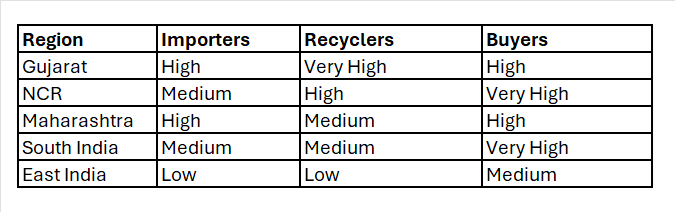
ALUMINIUM SCRAP IMPORTERS (HIGH-VOLUME BUYERS)
India has 2,500+ verified aluminium scrap importers with active shipments
Key Importers (Verified + Active)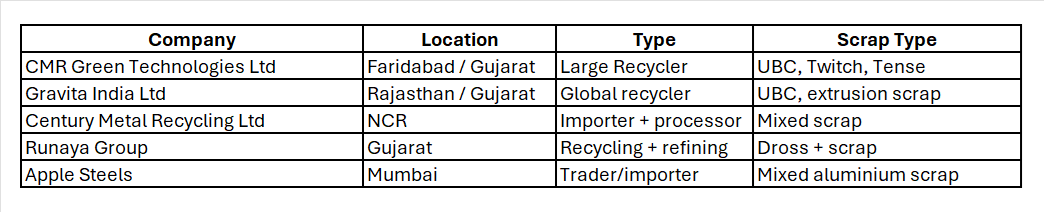
KEY INSIGHTS (VERY IMPORTANT)
1. Gujarat = Price Benchmark Market
• Largest scrap consumption
• Highest number of SME alloy units
2. NCR = Volume + Liquidity Hub
• Dominated by large players like CMR
• Strong trader network
3. South India = Quality Demand Hub
• Driven by auto OEM supply chain
• Higher specification alloys
4. West India = Export Engine
• Gujarat + Maharashtra dominate exports
MOST COMMON ALLOY GRADES IN INDIA
• ADC12 → 60–70% market share
• LM6 / LM24 → industrial casting
• AlSi series → die casting
• Custom alloys → OEM-specific
ADC12 is widely used due to automotive demand & casting efficiency
FINAL TAKEAWAY
India’s aluminium alloy ingot industry is:
• Highly regionalized
• Scrap-driven
• Dominated by SMEs + few large players
KEY CHARACTERISTICS OF THIS SEGMENT
Strengths
• Highly flexible production
• Low capex (~Rs2–5 crore plants)
• Strong linkage with auto MSMEs
Weakness
• Quality inconsistency
• Heavy dependence on imported scrap
Opportunity
• Export ADC12 due to global shortage
• OEM outsourcing from China
Threat
• Scrap price volatility
• Environmental compliance tightening
Regional SWOT Analysis
North India
Strengths: Proximity to import ports, strong automotive demand
Weaknesses: Pollution regulations
Opportunities: Export potential
Threats: Scrap supply disruption
West India (Gujarat & Maharashtra)
Strengths: Major recycling hubs, port access
Weaknesses: High competition
Opportunities: Export-oriented growth
Threats: Price fluctuations
South India
Strengths: Growing industrial base
Weaknesses: Lower scrap availability
Opportunities: Infrastructure growth
Threats: Logistics cost
East India
Strengths: Low-cost labor
Weaknesses: Limited infrastructure
Opportunities: Untapped market
Threats: Supply chain inefficiencies
IMPORTANT INSIGHT (FOR YOUR LOHAA USE)
The 400–500 T/month segment is the “engine” of India’s aluminium recycling ecosystem:
• Supplies auto component MSMEs
• Drives regional scrap demand
• Acts as price-sensitive buyers in scrap imports
While large players dominate exports, these SME units control domestic liquidity & price trends
FINAL TAKEAWAY
• India’s aluminium alloy ingot industry is bottom-heavy
• 400–500 T/month plants = core volume contributors
• Gujarat + NCR = pricing benchmark regions
• Future growth depends on:
o Scrap availability
o Import logistics
o Environmental compliance
Conclusion: India’s aluminium alloy ingot industry is evolving rapidly, driven by recycling, regional clusters, and strong automotive demand. Despite challenges like scrap dependency and global disruptions, the sector offers significant growth and export potential. Strengthening supply chains, improving efficiency, and leveraging digital platforms like LOHAA will be key to sustained competitiveness.
By using digital trade platforms like LOHAA Mobile application, you can reach global buyers, source quality material, and strengthen long-term partnerships.
Download the LOHAA Mobile application today and connect with verified scrap suppliers and manufacturers.
(Notes: market and production volume estimates are synthesized from public market reports and industrial press; exact tonne figures for scrap metal are not centrally published in a single comprehensive public dataset, therefore the numeric projection above is a conservative, documented estimate built from available intelligence and reasonable regional share assumptions.)


